
Chips to Cells
Conventional microchip-based systems, reliant on finite resources and vulnerable to environmental degradation, struggle to keep pace with the exponential growth of information. Rather than perpetuating unsustainable computing models, this vision embraces bio-inspired storage and processing, where data is not only written into biological molecules but also structured to evolve and self-repair.

Bio-Intelligent Urbanism
From biofabrication to in-situ recycling, emerging methodologies are redefining material permanence, shifting towards a paradigm where structures are designed to decompose, renew, and evolve. Fire-adaptive species offer blueprints for this transition, demonstrating how strategic material investment safeguards not only structural integrity but also the continuity of encoded information.

Fire-Smart Cities
Rather than rigid fireproofing measures, this model envisions a responsive architectural and urban framework that integrates real-time environmental data, bio-inspired sensing, and decentralised adaptation. Drawing from nature’s intelligence, this approach employs satellite imaging, AI, and advanced biosensors to create a Living Internet of Things capable of autonomously anticipating and mitigating fire threats.
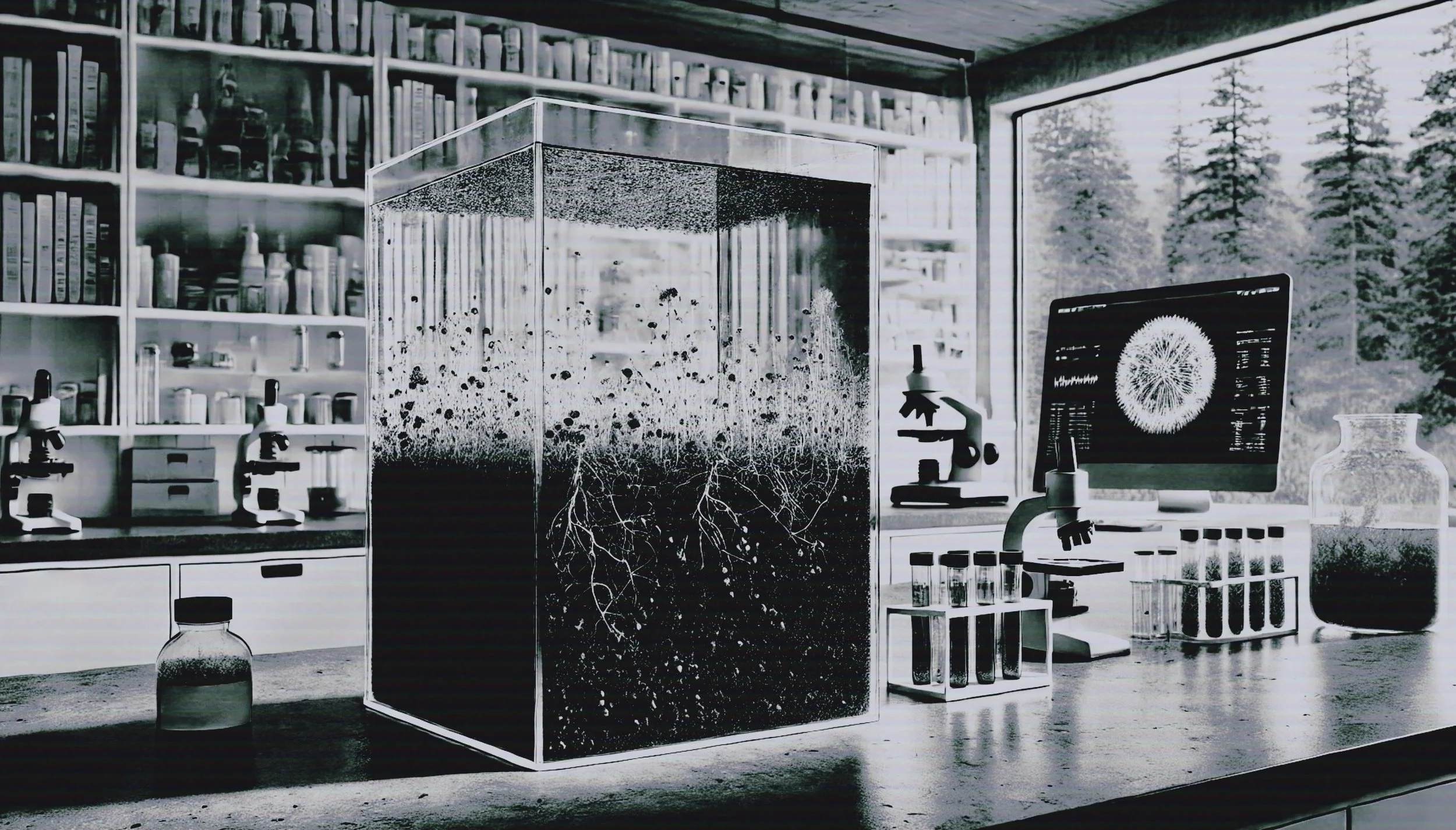
Sensors to Structures
Fire-adapted plant species — capable of sensing, responding, and regenerating in cyclical environmental shifts — inform a design ethos rooted in resilience rather than resistance. Experimentation in bio-sensing, shape-memory materials, and self-regulating building envelopes suggests a future where architecture does not merely withstand fire but dynamically interacts with it.
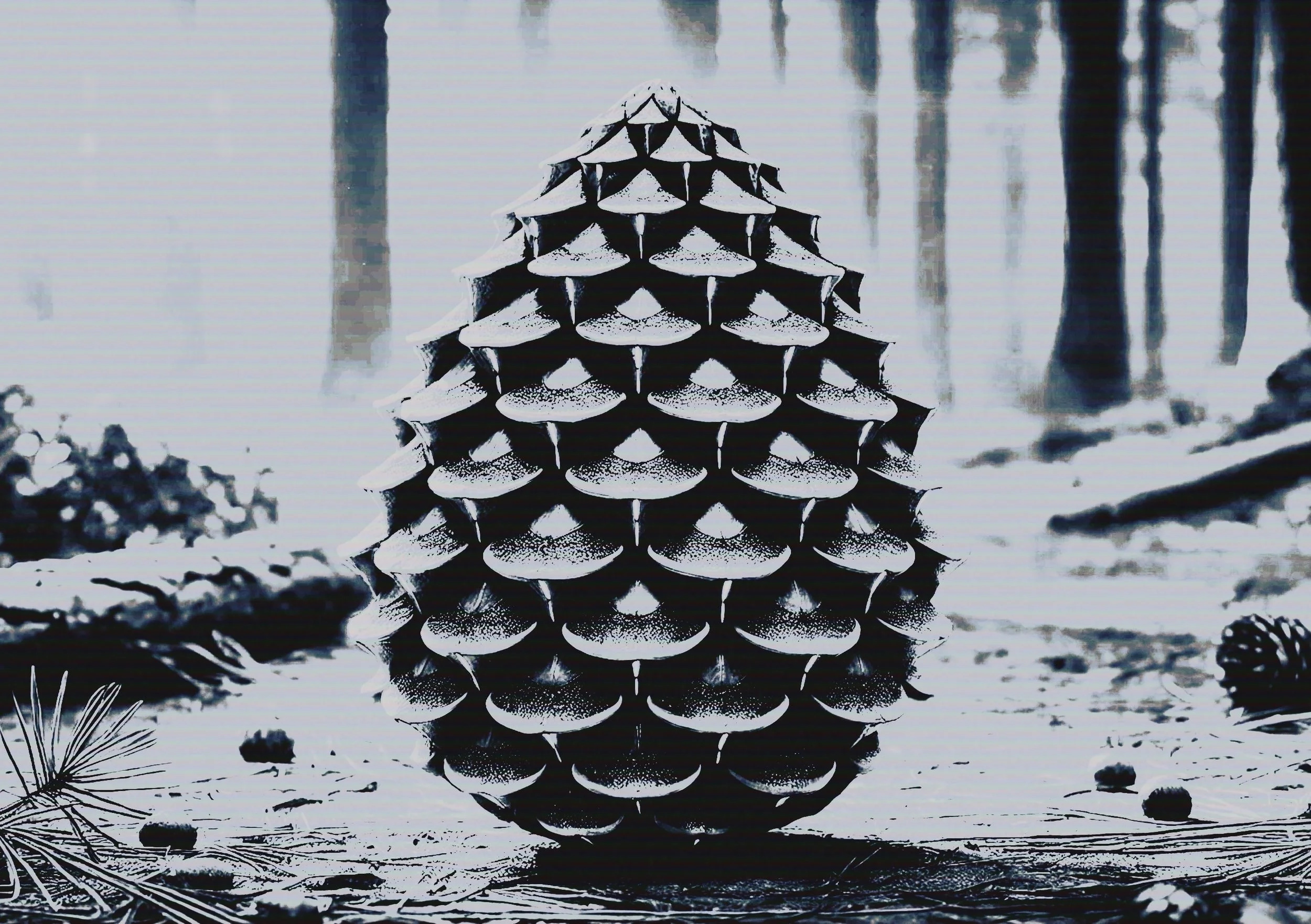
Sparks to Signals
Wildfire resilience requires a shift from rigid, centralised defences to adaptive, biomimetic systems. The (B)IOT™ - biotechnological Internet of Things - integrates biosensors and biocomputing with artificial intelligence and satellite imaging to autonomously activate fire defences. DNA-based data storage and citizen-driven monitoring further enhance resilience, enabling cities to adapt and thrive in fire-prone landscapes.

Encoding the Future
As the digital age accelerates, so too does the demand for data storage — an ever-expanding ocean of information projected to surpass global silicon supply within decades. Amidst this impending scarcity, researchers are turning to DNA as a revolutionary medium for data encoding. Capable of preserving vast quantities of information in minuscule volumes, DNA storage offers unparalleled longevity, energy efficiency, and resilience to environmental hazards.