Scorched Earth
Understanding Wildfire Behaviour
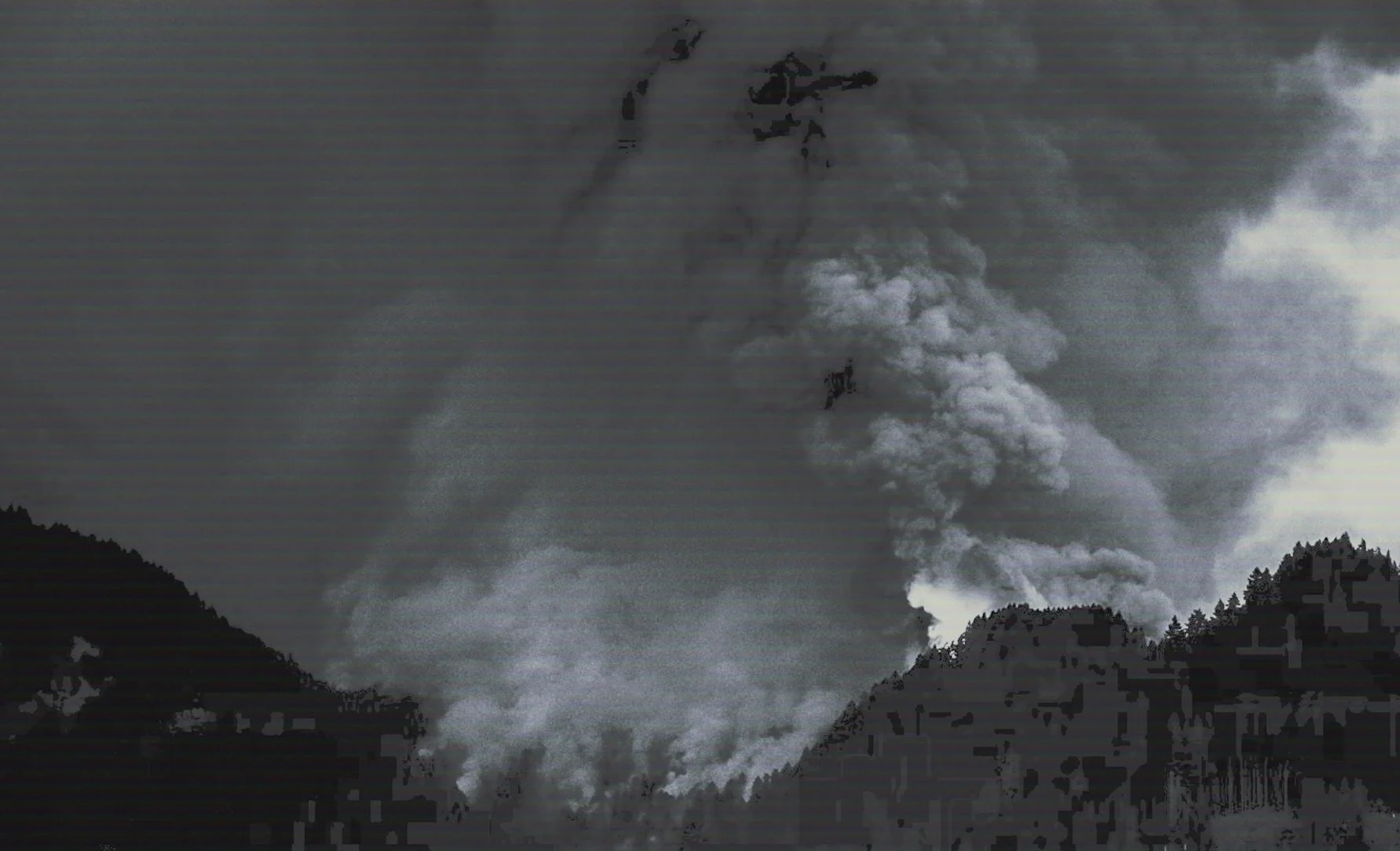
As part of a series of articles designed to make my scientific research more accessible, select works have been translated by artificial intelligence that’s been trained using an array of my published works, including chapters from Panarchistic Architecture (2018). These translations have replaced specialist terminology and references with that which will be legible to non-specialists with an interest to learn more about the challenge of living with wildfire.
Wildfires, an essential ecological process, are undergoing dramatic transformations due to factors including climate change. In a warming world, the frequency, intensity, and behaviour of wildfires in the United States are diverging from historical norms, posing profound challenges to ecosystems and human communities alike. This essay, synthesised from Panarchistic Architecture, delves into the interplay between climate feedback loops, ecological dynamics, and evolving fire cycles.
Key themes include escalating fire frequency driven by rising temperatures and prolonged droughts, intensifying severity due to fuel accumulation, and novel fire behaviours like mega-fires and self-sustaining feedback loops. The cascading impacts on biodiversity, carbon storage, and ecosystem resilience highlight the urgency of adaptive strategies.
By exploring innovative management approaches and climate mitigation efforts, this article sheds light on how ecosystems and societies can prepare for a fiery future while embracing the potential for renewal and adaptation.
Extract
“PyroFutures: Understanding the Future of Wildfires in the USA
Wildfires are a natural and integral part of many ecosystems, playing a critical role in maintaining ecological balance and biodiversity. However, with the rapid acceleration of climate change and its cascading effects, the future of wildfires in the United States is poised to diverge significantly from historical norms. Examining these changes through the lenses of frequency, intensity, severity, and behaviour reveals the potential for profound ecological transformations. These dimensions of wildfire activity are evolving, focusing on the impacts to wildlands and the natural environment. Below, we explore how.
Frequency of Wildfires: Escalating Incidents in a Changing Climate
The frequency of wildfires in the United States is projected to increase in many regions due to the interplay between changing climatic conditions and ecosystem dynamics. Rising temperatures, prolonged droughts, and shifting vegetation patterns create environments highly conducive to ignition. In forested regions such as the western United States, where fire suppression policies have led to the accumulation of dense, combustible undergrowth, the potential for frequent fires is especially acute.
Historical fire suppression has disrupted natural fire regimes, resulting in ecosystems that are now more vulnerable to frequent ignition. Coupled with the influence of warming temperatures, these areas are experiencing fire seasons that extend beyond their historical bounds. For example, the southern Rocky Mountains and California's forests are seeing more days per year with the hot, dry, and windy conditions that foster fire outbreaks.
Notably, this frequency shift is not uniform. Arid regions experiencing desertification may see fewer fires due to a lack of vegetation to act as fuel. However, where fires do occur, their behaviour is likely to differ markedly, potentially favouring rapid but spatially limited spread due to low fuel availability.”
Read the article ‘Scorched Earth’ in full here.