Scorched Earth
Understanding Wildfire Behaviour in a Warming World
The Intersection of Ecology, Climate Feedback, and Fire Cycles
An AI generated essay created using extracts from Dr. Melissa Sterry’s thesis Panarchistic Architecture (2018).
PyroFutures: Understanding the Future of Wildfires in the USA
Wildfires are a natural and integral part of many ecosystems, playing a critical role in maintaining ecological balance and biodiversity. However, with the rapid acceleration of climate change and its cascading effects, the future of wildfires in the United States is poised to diverge significantly from historical norms. Examining these changes through the lenses of frequency, intensity, severity, and behaviour reveals the potential for profound ecological transformations. These dimensions of wildfire activity are evolving, focusing on the impacts to wildlands and the natural environment. Below, we explore how.
Frequency of Wildfires: Escalating Incidents in a Changing Climate
The frequency of wildfires in the United States is projected to increase in many regions due to the interplay between changing climatic conditions and ecosystem dynamics. Rising temperatures, prolonged droughts, and shifting vegetation patterns create environments highly conducive to ignition. In forested regions such as the western United States, where fire suppression policies have led to the accumulation of dense, combustible undergrowth, the potential for frequent fires is especially acute.
Historical fire suppression has disrupted natural fire regimes, resulting in ecosystems that are now more vulnerable to frequent ignition. Coupled with the influence of warming temperatures, these areas are experiencing fire seasons that extend beyond their historical bounds. For example, the southern Rocky Mountains and California's forests are seeing more days per year with the hot, dry, and windy conditions that foster fire outbreaks.
Notably, this frequency shift is not uniform. Arid regions experiencing desertification may see fewer fires due to a lack of vegetation to act as fuel. However, where fires do occur, their behaviour is likely to differ markedly, potentially favouring rapid but spatially limited spread due to low fuel availability.
Intensifying Fires: Fuel and Feedback Loops
The intensity of wildfires is closely tied to the amount and type of available fuel, as well as prevailing weather conditions. In ecosystems affected by drought, insect infestations, and disease — such as those in California and the Pacific Northwest — fire intensity has escalated as dead and dry vegetation accumulates.
One critical driver of increasing fire intensity is the feedback loop between fire and climate. Wildfires release significant amounts of carbon dioxide into the atmosphere, contributing to global warming. This warming, in turn, exacerbates drought conditions and increases vegetation flammability, creating a cycle of intensification. In the boreal forests of Alaska, for instance, fires now burn more intensely than at any time in the past 10,000 years, driven by the combination of higher temperatures and altered vegetation dynamics.
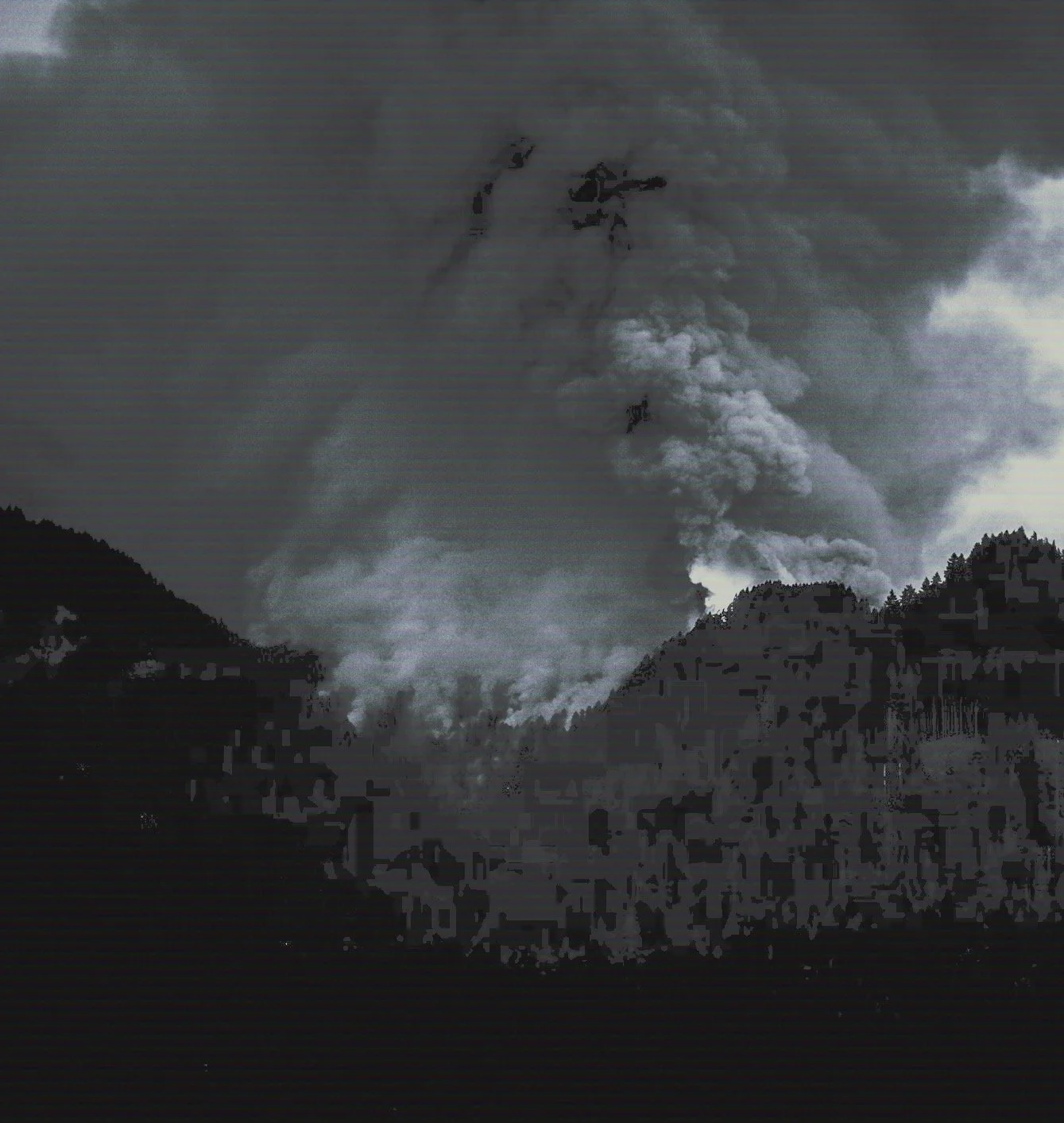
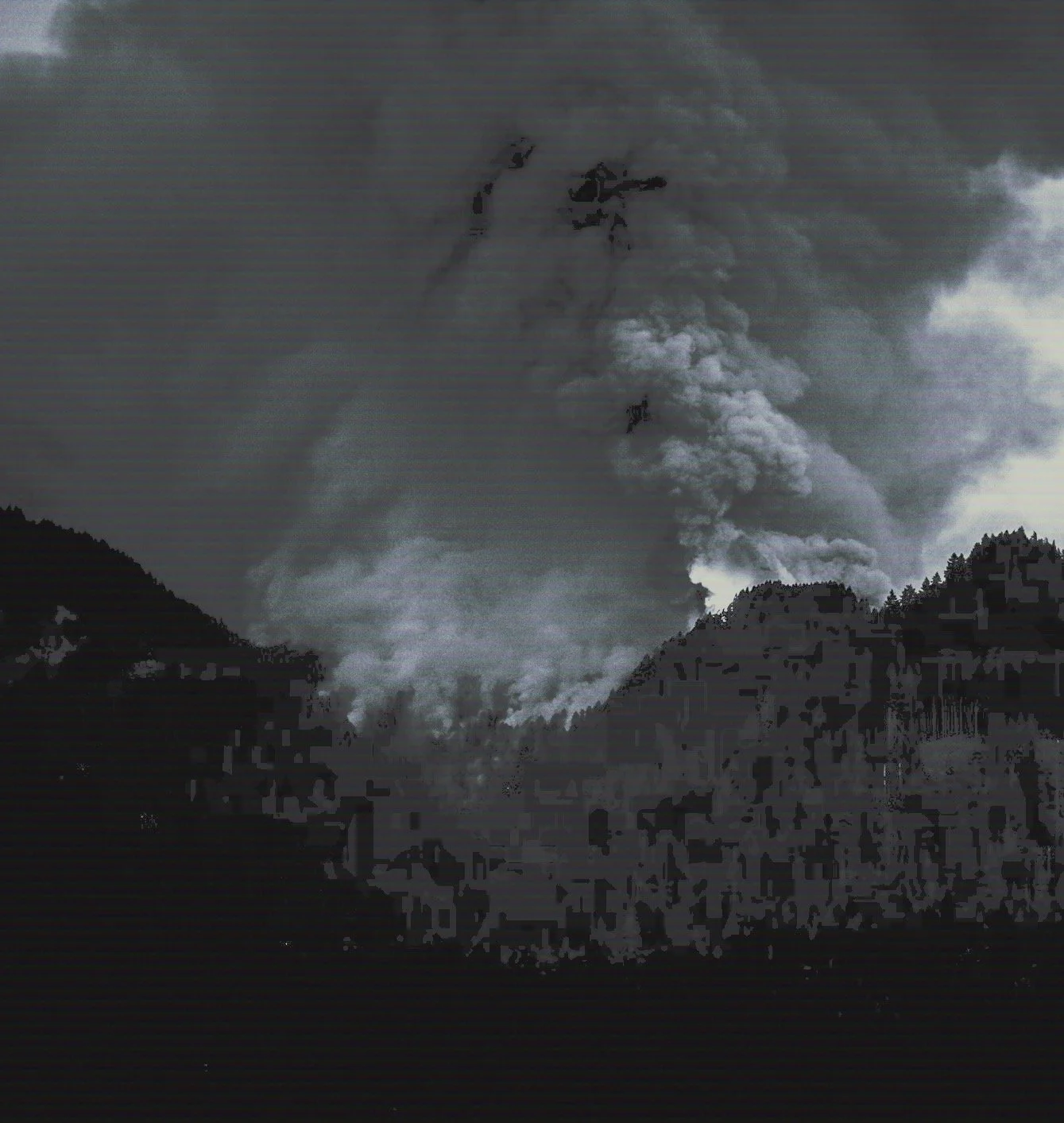
Moreover, the intensification of fires affects not only the immediate landscape but also atmospheric and weather systems. Large wildfires can generate their own weather patterns, including pyrocumulonimbus clouds, which exacerbate fire spread and may even ignite new fires through lightning strikes. Such self-reinforcing phenomena underline the growing complexity of fire behaviour in a warming world.
Severity: Transformations in Ecological Outcomes
The severity of wildfires, defined by their ecological impact, is increasingly profound as fires burn hotter and for longer durations. In fire-adapted ecosystems, natural fire cycles historically promoted regeneration and biodiversity. However, the current trajectory of fire severity risks overwhelming these adaptive mechanisms.
In California, for instance, the western pine beetle outbreak during the 2012–2015 megadrought decimated vast areas of ponderosa pine forests. Research indicates that these forests are unlikely to recover to their pre-drought densities, leading to a reduction in critical carbon sequestration capacity and biodiversity. The accumulation of coarse woody debris, coupled with high canopy flammability shortly after such mortality events, increases the likelihood of severe fires with lasting ecological repercussions.
In tundra regions now experiencing fires for the first time due to northward forest expansion, severity takes on a different dimension. These fires threaten to release vast amounts of stored carbon from permafrost, creating not only local but also global ecological consequences. Meanwhile, in tropical regions like the Amazon, where deforestation and agricultural burning compound natural fire risks, the severity of fire events may drive some ecosystems toward irreversible tipping points.
Behaviour: Novel Patterns in Fire Dynamics
Wildfire behaviour, encompassing how fires ignite, spread, and extinguish, is also undergoing significant changes. The interaction of altered fuel dynamics, climatic conditions, and atmospheric processes is leading to the emergence of new fire behaviours that challenge existing models of prediction and management.
For example, the increasing prevalence of mega-fires — large, high-intensity fires that burn vast areas — illustrates a shift in fire dynamics. These events are characterised by rapid, uncontrollable spread and extreme heat generation, often creating conditions unsuitable for the survival of native species. In ecosystems where fires were historically patchy and low-intensity, such as grasslands and mixed-wood forests, mega-fires can result in widespread habitat loss and altered successional trajectories.
The behaviour of wildfires is also being influenced by phenomena such as delayed precipitation and extended dry seasons, as observed in Yellowstone and the Amazon. These delays can prolong fire seasons and increase the likelihood of overlapping fire events, compounding their ecological impacts. In addition, the interaction of wildfires with urban heat islands and regional weather systems is creating hybrid fire behaviours, further complicating efforts to predict and manage these events.
Ecosystem Responses to Changing Fire Regimes
Ecosystems are inherently dynamic, and their responses to changing fire regimes are varied and complex. Some fire-adapted species, such as sequoias and certain types of grasslands, may initially thrive under increased fire frequency and intensity. However, the accelerating pace of change risks outstripping the capacity of many species to adapt.
In forested landscapes, shifts in species composition and structure are becoming evident. High-severity fires often result in the replacement of tree species with shrubs or grasses, altering ecosystem function and reducing carbon storage capacity. In semi-arid regions, the encroachment of invasive species like cheatgrass has created a feedback loop where highly flammable vegetation increases fire frequency, perpetuating ecosystem degradation.
Wetland ecosystems, traditionally considered fire-resistant, are also becoming more vulnerable. Prolonged droughts have lowered water levels, exposing organic soils and vegetation to fire. The loss of wetland habitats has cascading effects on water filtration, carbon storage, and biodiversity, illustrating the far-reaching consequences of changing fire regimes.
The Future of Wildfires: A Mosaic of Outcomes
The future of wildfires in the United States is unlikely to follow a singular trajectory. Instead, it will reflect a mosaic of outcomes shaped by regional climate patterns, vegetation types, and management strategies. For temperate regions, rising temperatures and prolonged droughts are likely to drive higher fire frequency and intensity, while desertification in arid regions may lead to less frequent but more ecologically disruptive fires.
In northern ecosystems, the expansion of forests into tundra regions represents a significant frontier in wildfire dynamics. The fires in these areas not only alter local landscapes but also have global implications due to their impact on permafrost and carbon release. Meanwhile, tropical ecosystems face a dual threat from climate change and human activity, with fire risks compounding other environmental pressures.
Preparing Ecosystems for a Fiery Future
To mitigate the ecological impacts of changing fire regimes, strategies must focus on restoring resilience and promoting adaptive capacity. Allowing natural fire cycles to resume in certain ecosystems can help maintain biodiversity and reduce the risk of catastrophic fires. However, in areas where fire suppression has created dense vegetation, active management to reduce fuel loads is essential.
Incorporating indigenous fire management practices, which often emphasise controlled burns to maintain ecological balance, can provide valuable insights into sustainable fire management. Protecting intact ecosystems from fragmentation and degradation also remains a critical priority, as these areas are more resilient to fire and other disturbances.
Finally, addressing the root causes of climate change through emissions reductions and the preservation of carbon sinks is essential to breaking the feedback loop between fire and warming. While these efforts require coordinated global action, their benefits will ripple through ecosystems, reducing the risks of extreme wildfire behaviour and severity.
Conclusion: Towards a Resilient Future
The future of wildfires in the United States is one of both challenge and opportunity. As fire regimes evolve under the influence of climate change and ecological feedback loops, the natural environment faces significant threats. However, by understanding the drivers of these changes and adopting proactive management strategies, it is possible to reduce the severity of their impacts and promote resilience.
The story of wildfires is not just one of destruction but also of renewal and adaptation. As ecosystems respond to these challenges, they offer valuable lessons in resilience and interconnection. By aligning conservation efforts with these natural processes, we can navigate a path towards a future where fire continues to play its vital role in shaping the landscapes of the United States.
Read Dr. Sterry’s January 2025 update of pyrofutures in the U.S., and worldwide here.