From Serotinous Cones to Sustainable Architecture: the Pyri-CONE™ Story
The transformative power of biomimetic design in wildfire resilience, inspired by nature’s own innovations.
An AI generated essay created using several of Dr. Melissa Sterry’s publications from the period 2018 - 2023.
Wildfires are an enduring force of nature, deeply entwined with Earth's ecosystems for many millions of years. As climate change intensifies their frequency and severity, innovative solutions are urgently needed to address the challenges posed by these natural phenomena. Among the groundbreaking innovations in wildfire resilience is the Pyri-CONE™, conceived by design scientist Dr. Melissa Sterry. Rooted in the paradigm of Pyrophytic Architecture™ and inspired by the natural resilience of pyrophytes— plants evolved to thrive with wildfire — the Pyri-CONE™ exemplifies how technology can harmonise with nature to create sustainable, adaptive systems.
A Groundbreaking Vision in Wildfire-Resilient Design
Pyri-CONE™ stands as a testament to Dr. Sterry’s visionary work in biomimetic innovation and ecological systems thinking. Its origin traces back to 1997, when a walk through a family member's land in the fire-prone hills of San Diego County sparked a pivotal moment. During that walk she collected several pyrophyte specimens, including a serotinous cone [pictured below] whose ingenious mechanism — releasing seeds in response to the heat of a wildfire — became the inspiration for the Pyri-CONE™. Conceived during her seminal PhD research into bio-inspired architectural, peri-urban, and urban design for resilience to wildfires, that same cone became the model for a wildfire sensing device that mimics the cone's ability to sense and respond to fire through the melting of resin, with variants including sensing chemical signatures of wildfire - another trait found in some pyrophyte species.
Its foundations, along with its sister concepts, were laid out in her thesis, Panarchistic Architecture: Building Wildland-Urban Interface Resilience to Wildfire through Design Thinking, Practice and Building Codes Modelled on Ecological Systems Theory (2018), and its codes, and in further publications including pamphlets, ebooks, essays, and peer-reviewed chapters for publishers including Routledge, that have been widely shared on academic and public platforms, including Academia, Researchgate, and Issuu. As part of her wider effort to share her work with wide-ranging international communities of research and practice, Dr. Sterry began unveiling her groundbreaking ideas in design for wildfire at international conferences, festivals, and masterclasses starting in 2017, captivating audiences with her paradigm-shifting approach. Her bio-inspired methodology for creating architectural and urban resilience to wildfire has established her as the founder of a new field and the seminal work in this domain.
The Pyri-CONE™ is just one of the many trailblazing innovations she devised as part of a broader strategy to build wildfire resilience by mimicking the adaptive traits of pyrophyte plants — species that have evolved to thrive with fire.
The Paradigm Behind Pyri-CONE™
The Pyri-CONE™ operates within a broader framework of Panarchistic Architecture a concept that models architectural and urban designs on ecological systems. Central to this paradigm is the idea of designing structures that integrate with fire-prone environments rather than resisting them—a concept informed by the adaptive traits of pyrophytes. These plants, such as lodgepole pines and chaparral shrubs, have evolved traits like pyriscence, pyrogermination, and fire-resistant rhytidomes to coexist with wildfire regimes.
This evolutionary approach forms the foundation of Pyrophytic Architecture™, a classification under Panarchistic Architecture that prioritises resilience in the wildland-urban interface. The system categorises architectural designs into types such as Pyro-Evaders, Pyro-Endurers, and Pyro-Resistors, each tailored to specific fire regimes. The Pyri-CONE™ is a critical component of this ecosystem, enabling data-driven adaptations to wildfire challenges.
What Is the Pyri-CONE™?
The Pyri-CONE™ is an autonomous, multi-functional device designed to enhance wildfire resilience in architectural and urban contexts. It integrates an analogue ballistic propulsion system which disperses critical architectural and engineering data when triggered by environmental signatures including the heat and chemical changes specifcally associated with wildfires. This data distribution capability is pivotal both during and post-fire, underpinning an array of nature-inspired resilience, recovery and adaptation processes that ensure that communities can both limit losses of lives, property, and livelihoods to wildfire, and rebuild and recover sustainability, efficiently, and expediently from any losses that are incurred.
Encased in a heat-resistant shell held together by a a binding agent that Dr. Sterry calls ‘Synthetic Serotinous Substance’, the Pyri-CONE™ mimics the dispersal mechanisms of serotinous cones that are found on certain pyrophytic members of the Pine genus. When exposed to extreme heat, the resin melts, activating a mechanical response that releases data that mimics seeds, more specifically, a data storage system that contains the likes of architectural blueprints and material specifications encoded in forms of synthetic DNA that Dr. Sterry calls ‘ArchiDNA™’ and ‘MaterialDNA’. Further applications of the novel wildfire sensing concept include networked environmental monitoring that, together with the wider sensing array, send signals to smart buildings and infrastructure that are in conversation with the network, and in turn their environment. Defenses triggered by the sensing array include the closing of ember guards and heat resistant shutters that help harden building resilience to wildfire as it approaches. As such, the Pyri-CONE™ is part of the first ecologically smart information communications technology (ICT) system, which is concept that Dr. Sterry has been researching and developing since 2010, and published in wide-ranging keynotes, articles, and other works that share her ideas with those working in architecture, design, planning, policy, science, technology, engineering, and innovation more generally.
Integration into a Fire-Adaptive Network
The Pyri-CONE™ is not a standalone innovation; it is part of a sophisticated wildfire sensing and response network. Other key components include:
Retardant BIObark™ - A fire-resistant wall-plating system inspired by the heat-dissipating properties of pyrophyte bark.
BIOroot™ System - A subsurface network that monitors environmental conditions such as moisture levels and heat signatures, informing real-time decisions.
Synthetic DNA-Seed Bank - A storage facility for synthetic DNA containing architectural and material data, critical for post-fire rebuilding.
Synthetic Pyriscence-Dispersed-Seeds - Transportable data storage units that activate upon heat or chemical triggers, facilitating the regeneration of structures.
Together, these innovations form a cohesive system that not only mitigates wildfire damage but also integrates wildfire as a process for ecological and architectural renewal.
Adapting Architecture to Fire Regimes
The Pyri-CONE™ and its associated sensing, processing, distribution, and storage technologies are integral to the Panarchic Codex, which is a set of guidelines tailored for buildings and infrastructure in California's fire-prone wildland-urban interfaces. The codex categorises architectural designs into distant ‘pyro-persistent’ types, each incorporating traits derived from pyrophytes. The codex and its underlying classification system were authored by Dr. Sterry such that her bio-inspired wildfire resilience paradigm could be explored through research and development activities that are designed to take her ideas from the abstract to the applied - to designs that go from paper to market. The primary classes of wildfire resilience classes her paradigm works with are:
Pyro-Evaders - Designed for areas with infrequent but high-intensity fires, these architectures focus on minimising exposure and facilitating rapid recovery.
Pyro-Endurers - Adapted to frequent, low-intensity fires, these structures feature traits that enable them to endure fire events with minimal damage.
Pyro-Resistors - Built for mixed-severity fire regimes, these designs incorporate fire-resistant materials and adaptive systems.
The codex emphasises localised solutions, requiring familiarity with specific fire frequencies, intensities, and behaviours. Residents in fire-prone areas are encouraged to consult resources Dr. Sterry recommends being developed for the wildland-urban-interface, and to take the Panarchic Oath, which inspired by the Hippocratic Oath, affirms their commitment to sustainable and adaptive building practices.
How the Pyri-CONE™ Transforms Wildfire Resilience
The Pyri-CONE™ addresses multiple challenges posed by wildfires:
Real-Time Data Distribution - by dispersing encoded data in response to wildfire conditions, the Pyri-CONE™ ensures that critical information is available for immediate resilience and recovery efforts within the wildland-urban-interface.
Sustainability - the data helps inform and enable the reuse and upcycling of materials within a 3,000-hectare radius, reducing waste and promoting localised rebuilding. As with the wider folio of bio-inspired ICT technologies, the device is made of both biomaterials and other organic materials, in concert with specific non-organic components that do no harm to the environment on combustion.
Adaptability - the device is programmed to adapt to changing fire regimes, ensuring its relevance in a rapidly shifting climate.
Eco-Mimicry - by emulating the traits of pyrophytes, the Pyri-CONE™ works in harmony with fire-prone ecosystems, contributing to their resilience rather than exacerbating their vulnerabilities.
Innovating for a New Fire Age
As the Earth enters what some scientists term a new ‘Fire Age’, solutions like the Pyri-CONE™ become increasingly critical. Rising global temperatures, prolonged droughts and the whiplash effect, among sevreal other environmental and human factors, are creating conditions conducive to more frequent and intense wildfires. Traditional approaches that aim to suppress or eliminate fire are proving insufficient and, in some cases, counterproductive.
The Pyri-CONE™ offers a paradigm shift by embracing fire as a natural and integral part of many ecosystems. By integrating fire-adaptive traits into architectural and urban designs, this innovation helps communities coexist with wildfire rather than fighting against it.
The Broader Implications of Pyrophytic Architecture
The principles underpinning the Pyri-CONE™ have far-reaching implications beyond wildfire resilience. They challenge conventional architectural and wider design norms that prioritise stasis and material conservation, advocating instead for designs that are dynamic, adaptive, and ecologically integrated.
Historical examples of fire-adaptive architecture, such as the burnable wickiups of Indigenous American tribes, demonstrate that living with fire is not a new concept. However, modern technologies like synthetic DNA sequencing and biofabrication allow us to refine and expand these ideas, making them applicable to contemporary contexts.
Conclusion
The Pyri-CONE™ exemplifies how innovation can draw inspiration from nature to address pressing environmental challenges. By leveraging the evolutionary traits of pyrophytes, this device represents a significant step forward in wildfire-resilient architecture. It not only mitigates the impacts of wildfires, but also integrates them into the life cycle of buildings and communities, promoting sustainability and adaptation in the face of climate change.
As wildfires become an increasingly common threat, solutions like the Pyri-CONE™ offer a path forward, blending ecological wisdom with cutting-edge technology. For architects, urban planners, and policymakers, it serves as a reminder that the future of resilience lies in learning from nature's own designs.
For more information on the codex and its application, visit the Panarchic Codex.
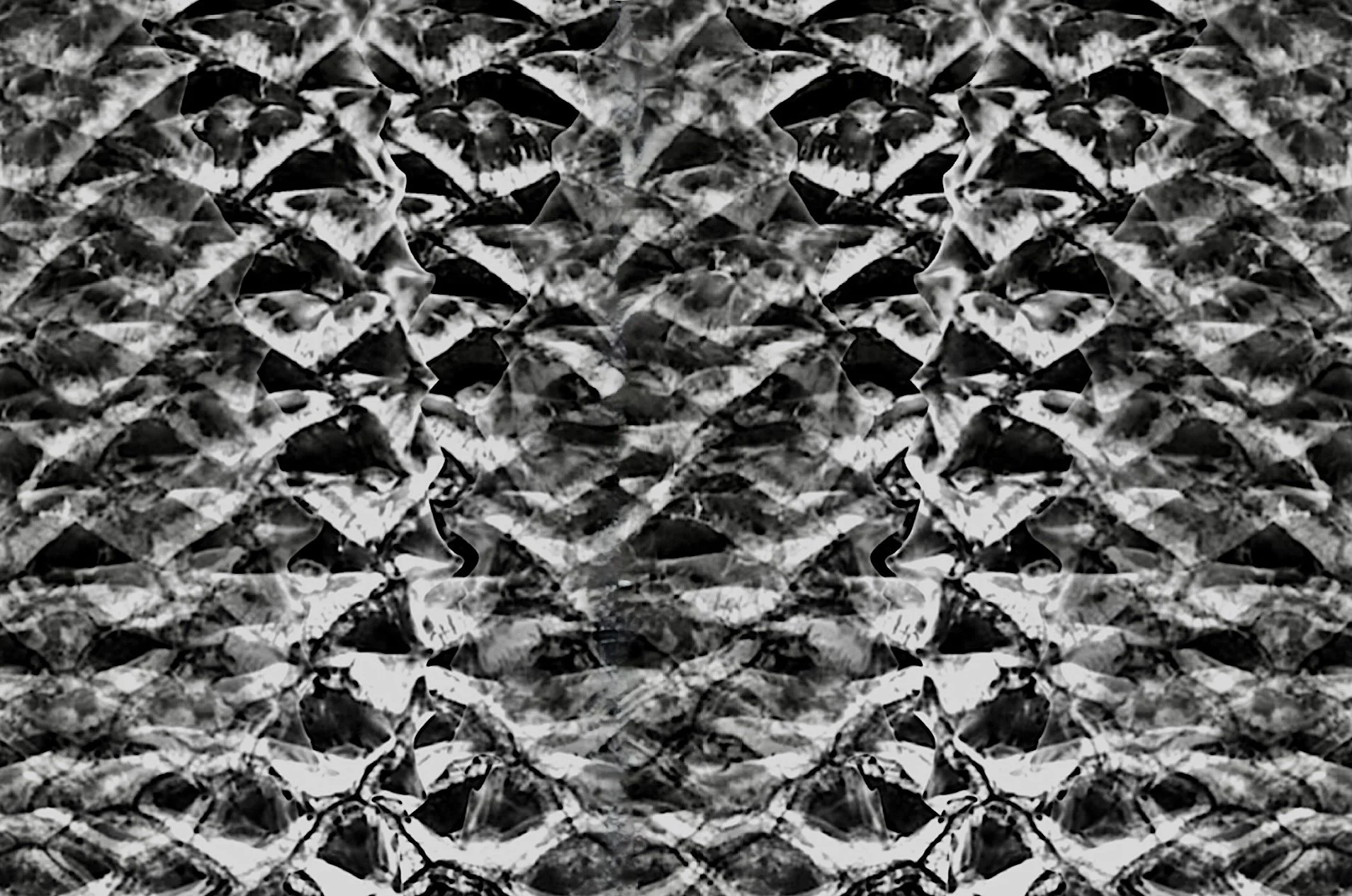
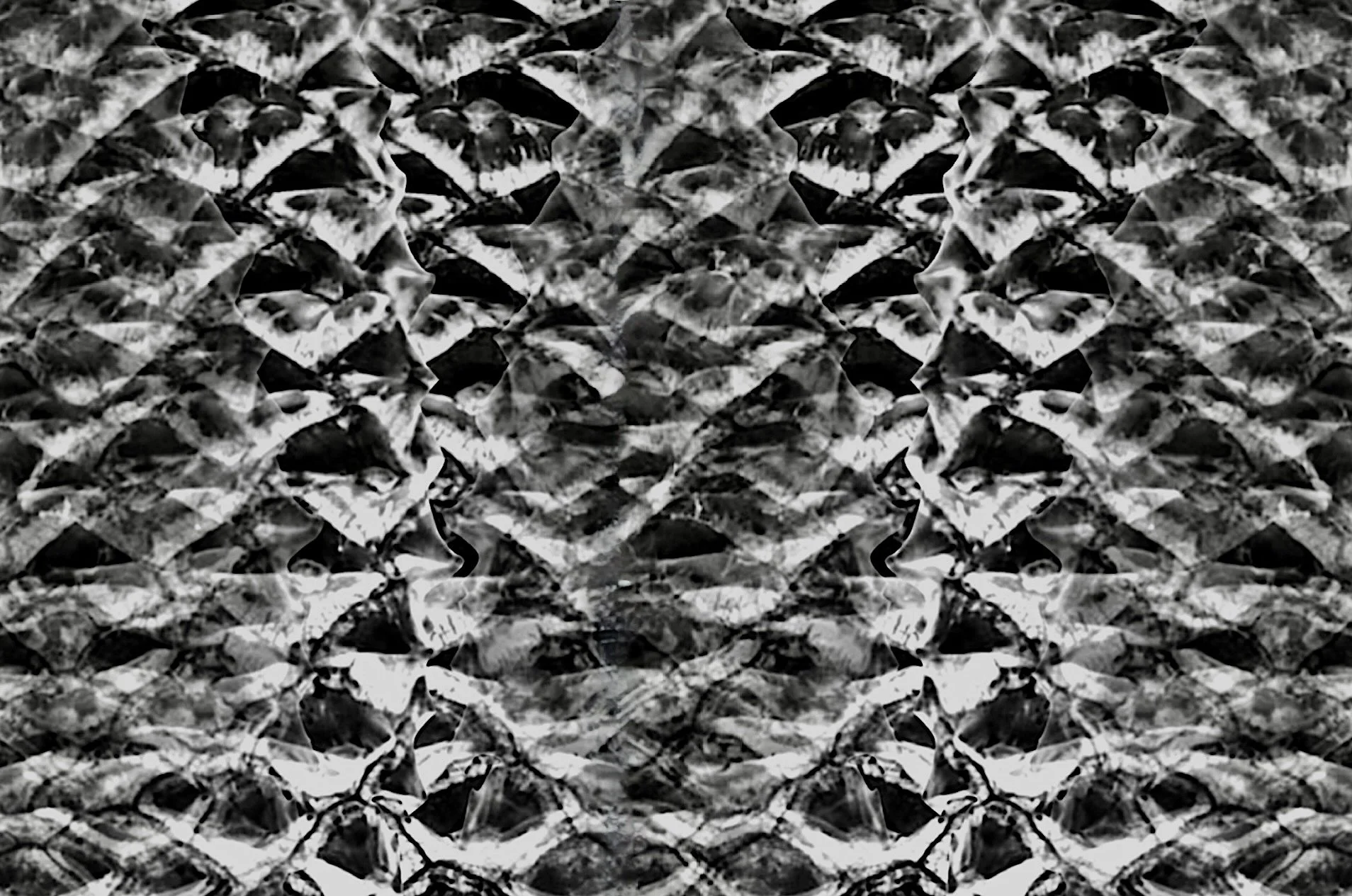
Images: [Top/Bottom] Pyri-CONE™ surface sketch, Melissa Sterry © 2018