Wildfires and Humanity: Navigating an Evolving Threat
An AI generated essay created using extracts from Dr. Melissa Sterry’s thesis Panarchistic Architecture (2018).
Wildfires have always shaped the natural world, but their impact is evolving in ways humanity cannot ignore. As the 21st century progresses, the intersection of climate change, urban expansion, and environmental degradation is creating unprecedented challenges. This article explores the critical forecasts for Wildland Urban Interfaces (WUIs) and their implications for the future.
The Historical Context: Humanity and Nature Intertwined
Ancient Myths and Modern Realities of Environmental Adaptation
Humanity has long documented the struggle to coexist with nature's forces. Ancient myths, from the Epic of Gilgamesh to the tale of Pandora, reveal a recurring narrative: warnings unheeded lead to catastrophes that reshape civilizations. These cautionary tales reflect the cyclical interplay of human behavior and environmental change. Archaeological evidence confirms that cities have risen and fallen with shifts in climate and resource availability. Today, the stakes are higher as urbanisation transforms landscapes at an unprecedented scale.
The Wildland Urban Interface: A Growing Risk Zone
The Expanding Threat of Wildfires in Urbanised Landscapes
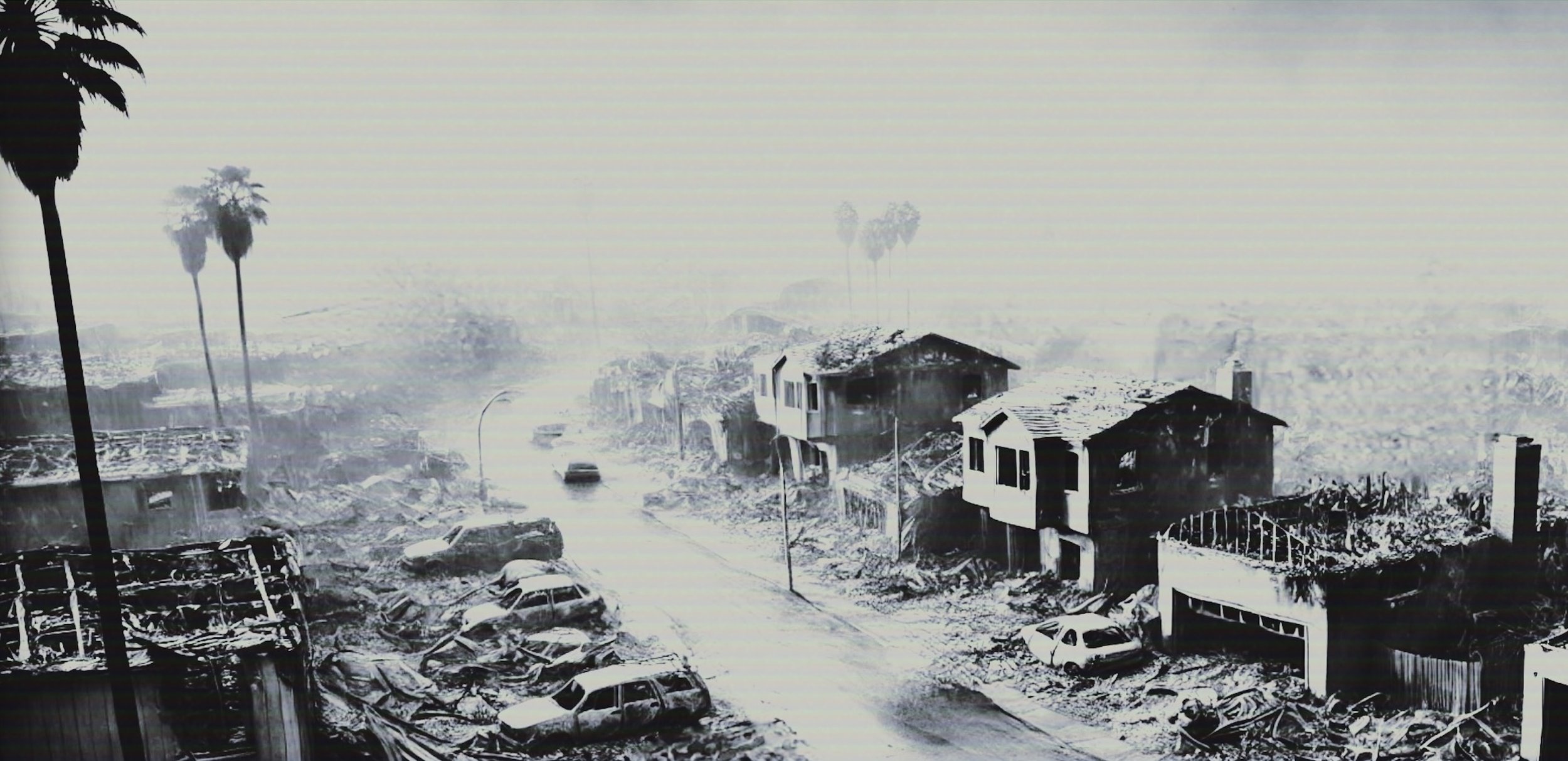
Wildland Urban Interfaces are where human development meets wildlands. In the U.S. alone, nearly 2 million Californian households currently face "high or extreme risk" from wildfires, a figure projected to increase by 50% by 2050. As a warming climate extends fire seasons and intensifies drought, wildfires are burning larger areas with greater intensity. The expansion of WUIs is compounding the risk, as more homes and infrastructure are built in fire-prone regions.
Climate Change and Mass Migration
From Rising Seas to Inland Migration: The Next Century’s Challenges
Rising temperatures and sea levels, desertification, and land degradation are driving migration on an unprecedented scale. According to the Internal Displacement Monitoring Centre, over 24 million people were displaced by disasters in 2016 alone. By 2100, estimates suggest that one in five people could become climate refugees.
The United States is not immune. Rising seas threaten to submerge major coastal cities, forcing millions inland. Studies estimate that 13.1 million Americans could be displaced by 2100 due to sea level rise, with cities like Los Angeles and San Francisco facing significant losses. The economic toll is staggering — Zillow predicts that $882 billion worth of U.S. real estate could be underwater by century's end.
Fire as a Weapon and a Warning
The Ancient and Modern Use of Fire in Conflict
Environmental terrorism is an ancient tactic, with records of fire being used as a weapon dating back millennia. Today, fire remains a tool for land clearance and conflict, particularly in regions like South Asia. As climate change exacerbates the frequency and intensity of wildfires, there is a growing risk of deliberate fire-setting as a form of warfare or protest in the Global North.
Urbanisation and Fireproofing
Balancing Urban Expansion and Sustainability
Several fire ecologists have called for limits on urban sprawl to reduce fire risks. However, practical constraints often override policy recommendations. Migrants fleeing wildfires, flooding, or other hazards prioritise safety and survival over long-term planning. This mismatch between human movement and environmental policy underscores the need for more resilient urban design.
Building "fireproof cities" has been proposed, but the materials required — such as stone and cement — come with significant environmental costs, including CO2 emissions and resource depletion. Innovative solutions that balance safety with sustainability are urgently needed.
Cyclical Lessons from History
From Ancient Mesopotamia to Modern Metropolises
Throughout history, civilizations have adapted to environmental changes, often spurred by disasters. Ancient Mesopotamian cities thrived during a period of climate stability, only to collapse when conditions changed. Today, humanity faces a similar turning point. Even under optimistic climate scenarios limiting global warming to 2°C, current urban designs may prove inadequate.
As extreme heat, wildfires, and other natural hazards increase, the attachment to place will be tested. Many will be forced to leave their homes, while debates about responsibility and solutions continue. Learning from the past, humanity must embrace adaptive strategies that integrate cultural heritage with modern innovation.
Innovation and Collaboration for Resilience
How Science and Cultural Heritage Can Shape the Cities of Tomorrow
The future of WUIs hinges on crafting new architectural and urban paradigms. Traditional designs rooted in permanence must give way to flexible, adaptive approaches. Advances in science and technology provide the tools to rethink how and where we build. Resilience must be prioritised, not only in infrastructure but also in community planning and governance.
Cultural heritage can play a vital role in this transition. The United Nations Environment Programme highlights the importance of living cultural practices in climate adaptation. By blending ancient wisdom with modern science, humanity can chart a path that respects the environment while ensuring safety and prosperity.
Conclusion
As the Wildland Urban Interface becomes a flashpoint for environmental, social, and economic challenges, the choices we make today will shape the future. History shows that humanity has the capacity to adapt and innovate in the face of adversity. By prioritising sustainability, resilience, and inclusivity, we can turn the challenges of the 21st century into opportunities for a brighter future.
Whether through policy changes, technological advancements, or community-led initiatives, every effort counts. The stakes are high, but so is the potential for transformative change. Together, we can navigate the shifting landscape of the WUI and build a world that thrives amidst uncertainty.
Read the chapter from which this text was generated, ‘6.3.2 Panta Rhei: Wildland Urban Interface Forecasts to 2100 and beyond’ here.
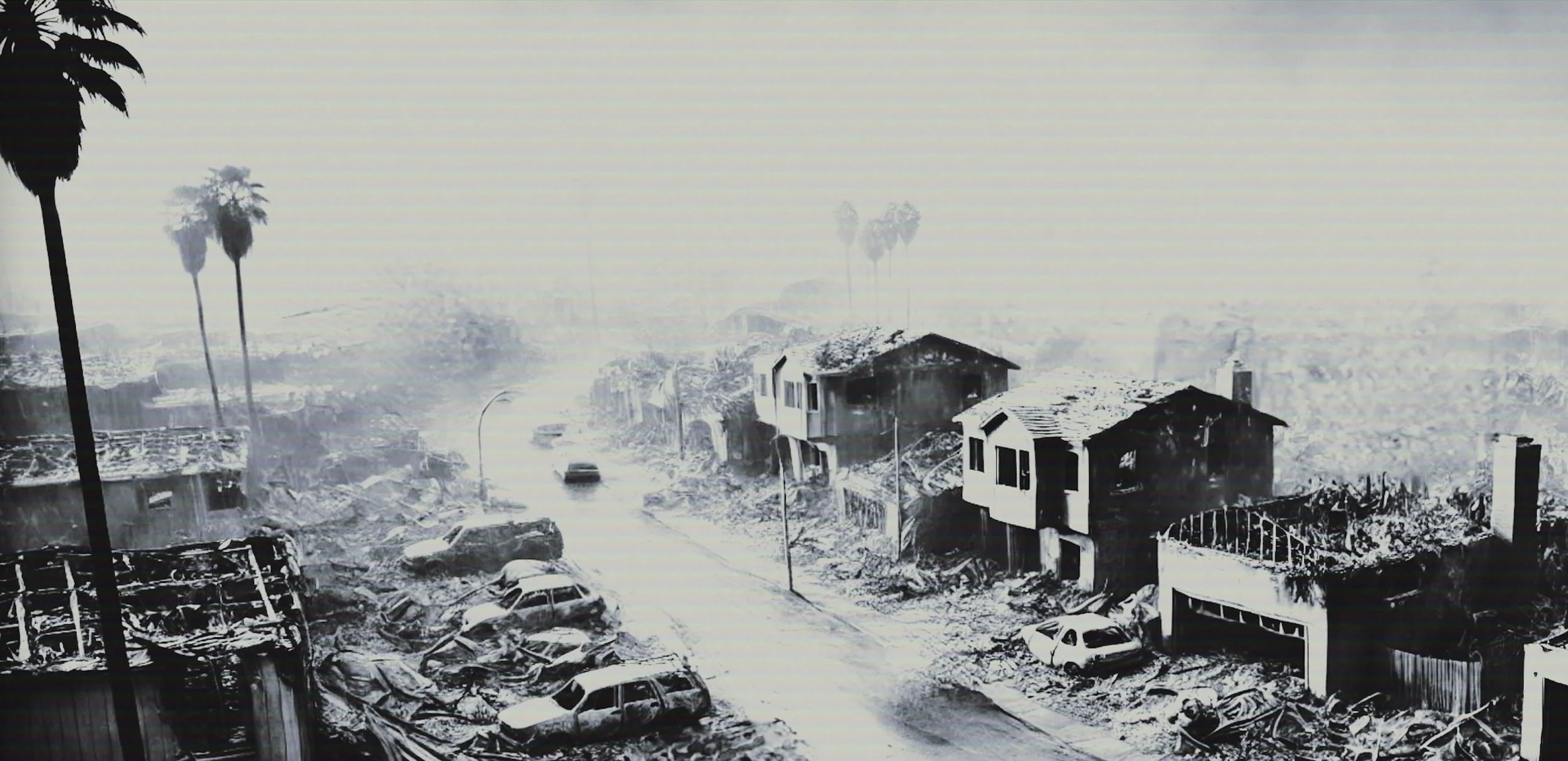
Images: [Top/Bottom] Southern Californian wildland-urban-interface post-fire.