The Future of Wildfires
An AI generated translation of Dr. Melissa Sterry’s January 2025 scientific briefing on wildfire futures created for the general reader.
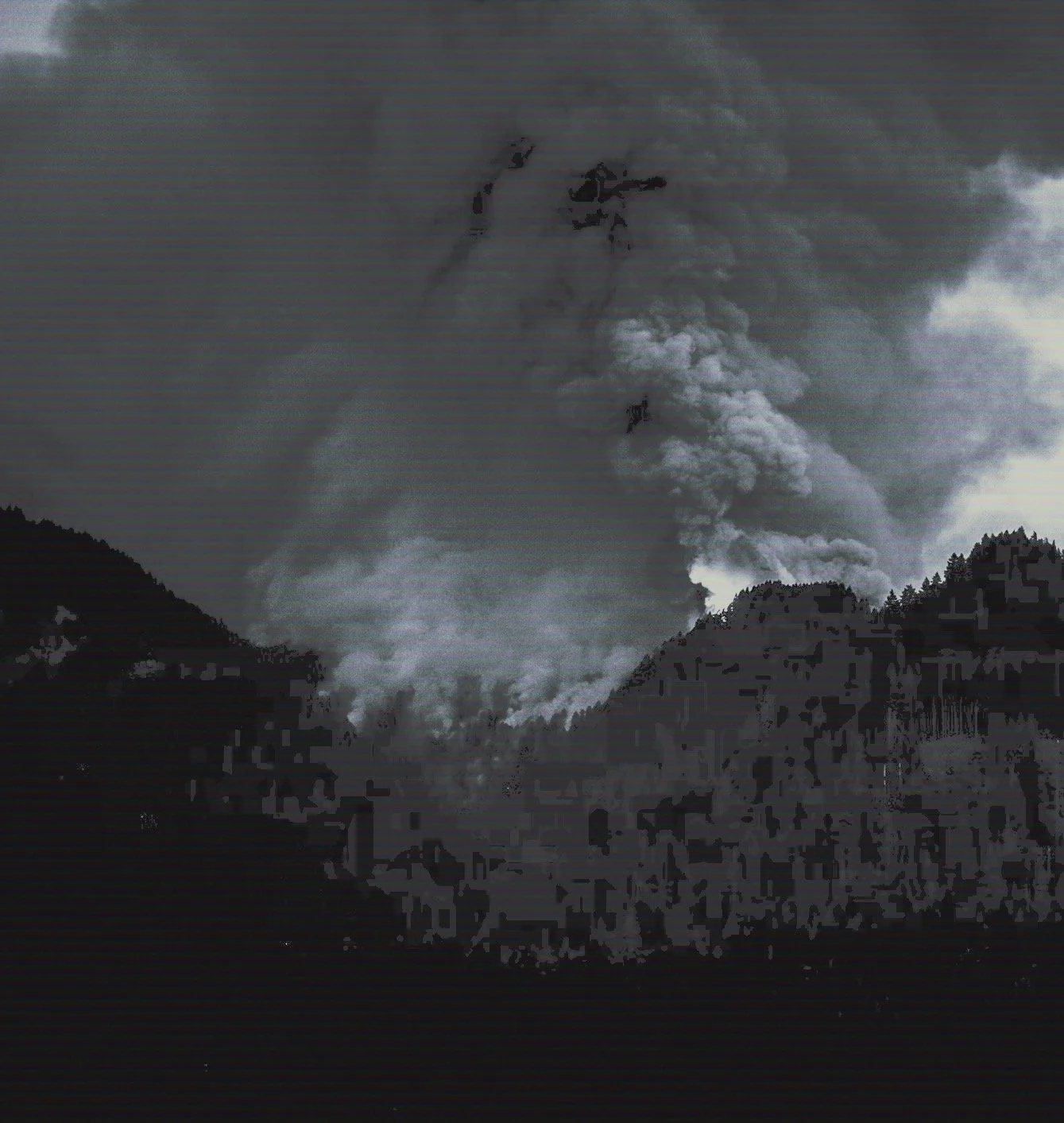
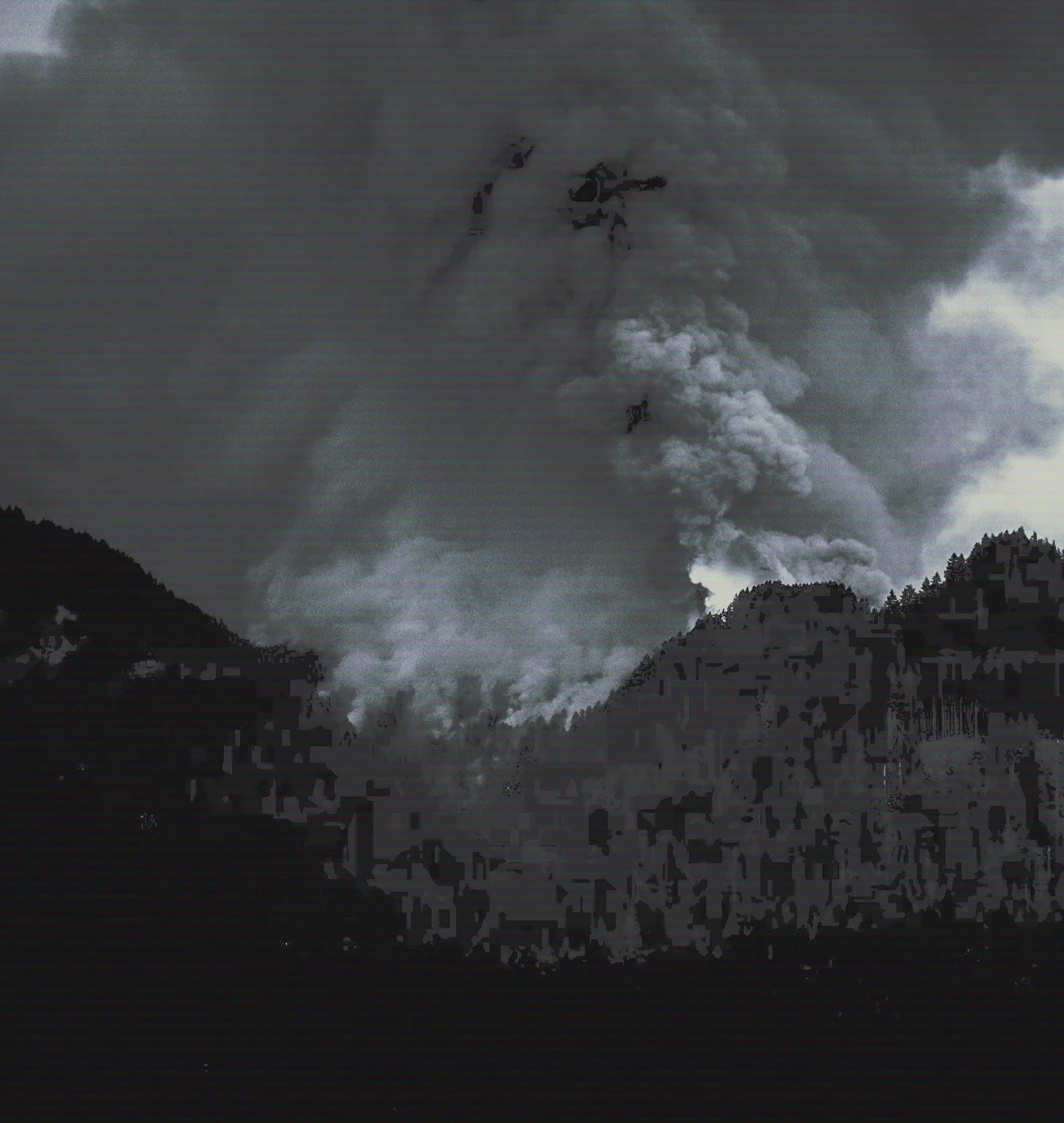
As occured in the distant past, wildfires are now rapidly reshaping our world and in wide-ranging ways. Since Panarchistic Architecture first went to print in 2018, predictions that suggested an increase would occur in wildfire intensity and frequency in some world regions have become a stark reality. With rising temperatures and human activity altering fire behaviour, gaining a deeper understanding of wildfire science and preparing for what lies ahead is more critical than ever.
Why Wildfires Are Increasing
The rise in wildfire activity isn’t random. It’s the result of several factors working together. Natural causes, like lightning, remain a significant trigger, especially in boreal forests. But human actions—such as clearing land for farming, urban expansion into fire-prone areas, and accidental ignitions — are increasingly responsible for devastating blazes, especially in tropical forests and regions near urban development.
Between 2001 and 2023, the loss of tree cover in boreal forests grew by an average of 3.6% annually, driven largely by wildfires. Globally, the area burned by forest fires increased by 5.4% per year from 2001 to 2019. These trends highlight how fire behaviour is shifting across different ecosystems and regions.
A Changing Climate Fuels the Fire
As was predicted, climate change is converging with other issues to create perfect (fire) storms. Rising temperatures, prolonged droughts, and reduced moisture in vegetation make it easier for fires to ignite and spread. In 2023, Canada experienced its worst wildfire season on modern record, with nearly 7.8 million hectares of forests burned. These fires released almost 3 billion tons of carbon dioxide (CO2) into the atmosphere, contributing to a 16% jump in global fire-related carbon emissions.
On average, wildfires now release between 5 and 8 billion tons of CO2 annually. This creates a dangerous feedback loop: wildfires release CO2, which worsens climate change, leading to even more wildfires. It’s a vicious cycle that’s referred to as "climate whiplash."
The Impact of Wildfires Beyond the Flames
Wildfires don’t just destroy trees and homes; they also have ripple effects on the environment. For example:
Air Quality: Wildfire smoke contains fine particles that can travel thousands of miles and have atmospheric effects.
Glaciers and Ice Sheets: Ash from wildfires can settle on glaciers, reducing their ability to reflect sunlight and accelerating melting.
Weather Patterns: Large fires can influence local weather, creating conditions that make lightning more likely and rainfall less so.
Despite these and other widespread impacts, public understanding of wildfire dynamics often lags behind. Simplistic or politically motivated narratives dominate media coverage, leaving many unaware of the full scope of wildfire consequences at local and global scales.
Are Our Forests Becoming Carbon Sources?
Forests have long been celebrated as carbon sinks, absorbing more CO2 than they emit. But with the scale of tree mortality rising, some forests risk becoming net carbon sources. This is particularly concerning as many countries rely on forests to meet net-zero emission goals. If extreme wildfires like those in Canada become more frequent - and models suggest they could increase by 6.3 to 10.8 times by the end of the century under high-emission scenarios — our climate goals could become unattainable.
Wildfire Trends in the United States
The United States provides a clear example of how wildfires are reshaping the environment. California remains the most fire-prone state, but wildfires are increasingly common across the Western U.S. Between 2001 and 2023, the U.S. lost 12.7 million hectares of tree cover to wildfires. In 2024 alone, wildfires burned over 8.8 million acres nationwide.
California’s forests, particularly some in the South, show visible signs of stress. Multi-year droughts and bark beetle infestations have left vast amounts of dry, dead wood — fuel for future fires of which the insensity could be higher than those on modern record. Large numbers of older oaks have died off, and though some had reached their natural life term - and died of old age, many losses were due to climate stress in tandem with infestations. Older trees more resilient to wildfire than younger ones, and storing more carbon, these losses signify a shift in environmental conditions.
While public awareness of wildfire risks rises during high-profile events, such as the Los Angeles fire complex of January 2025, a deeper understanding of fire’s role in ecosystems remains limited. Wildfires are a natural part of many landscapes, helping certain plants to reproduce and thus pivotal to ecosystem health.
The Expanding Wildland-Urban Interface
One major factor increasing wildfire risks is the growth of the wildland-urban interface (WUI)—areas where human development meets wildlands. Nearly 99 million people in the U.S. now live in the WUI, with development continuing at a rate of 2 million or so acres per year. This expansion greatly increases the risk of accidental ignitions and complicates firefighting efforts, while also disrupting local ecologies that have evolved to live with particular fire frequencies and intensities.
The January 2025 fires in Los Angeles highlight these challenges. As flames spread through densely populated suburbs, they underscore the need for better land management, infrastructure, design, and policy to reduce risks. However, the solutions are not straightforward. While some policies may focus on reducing ignition risks, others may inadvertently worsen the problem by prioritising fire suppression, which can lead to an accumulation of fuel - a fire paradox. Sometimes fire really is the best way to fight fire, or more specifically, fire of the problematic kind.
What’s Next for U.S. Wildfire Policy?
The future of wildfire management in the U.S. depends on several factors, including among others, climate trends and policy decisions. If climate change continues unchecked, the "Pyrocene"—a term describing an era dominated by fire — will very likely become a reality. In this scenario:
Southern California: Fires will become more frequent and often more intense, ultimately transforming local ecosystems. Some species may thrive in the new conditions, while others will struggle to survive.
Northern U.S.: Boreal forests, which currently act as significant carbon sinks, could shift to becoming major carbon sources.
Oregon and Beyond: Densely forested states will face more frequent wildfires, with major ecological and wider environmental impacts.
While some communities may accept these changes, others will resist, striving to try and preserve ecosystems as they were in the past.
Adapting to the Fire Age
Despite what could be a grim outlook, all is not lost. Many plants and animals have evolved to coexist with fire. Pyrophytes, or fire-adapted plants, have traits that allow them to survive and even thrive after wildfires. These species may play a crucial role in maintaining biodiversity as fire patterns shift.
Still, invasive species and other human-driven changes complicate the picture. Efforts to manage wildfires must consider the complex interactions between climate, ecosystems, and human activity. Public education is also essential. Misinformation about wildfire dynamics undermines effective policy and leaves communities unprepared for the realities of living in fire-prone areas.
Key Wildfire Statistics
To better understand the scale of the wildfire challenge, here are some recent statistics:
Tree Cover Loss: From 2001 to 2023, wildfires caused the loss of 12.7 million hectares of tree cover in the U.S.
California’s Tree Mortality: Between 2010 and 2023, an estimated 237 million trees died in California due to drought, heat stress, and infestations.
Annual Wildfire Activity: In 2024, 61,685 wildfires burned across the U.S., consuming approximately 8.8 million acres.
A Call to Action
The future of wildfires is uncertain, but one thing is clear: they are becoming a defining feature of our world. To adapt, we need a combination of science, policy, and public awareness. Communities must prepare for the reality of living in a fire-prone age, and governments must prioritise strategies that address both prevention and resilience.
Whether we call it the Pyrocene or simply the Fire Age, the time to act is now. By understanding the forces driving wildfires and seeking to work with not against nature, we can help to preserve ecosystems, and navigate the challenges of living on an inherently flammable planet.
References
CALFIRE (2025) https://www.fire.ca.gov/incidents/2025
Dillon, G. K., et al (2023) Spatial datasets of probabilistic wildfire risk components for the United States (270m) (3nd Edition)
Global Forest Watch (2024) https://www.globalforestwatch.org/dashboards/country/USA
Hood, S, M., and Reed, C (2024) Trees dying, dangers rising: Major tree mortality events rapidly increase forest fuels and snag hazards, USDA, Forest Service
Jones, M, W., et al (2024) State of Wildfire 2023 - 2024, Earth System Science Data
Janssen, T, A, J., et al (2023) Extratropical forests increasingly at risk due to lightning fires, Nature Geoscience volume 16, pages1136–1144
Keenan, T. F., et al. (2021) A constraint on historic growth in global photosynthesis due to increasing CO2, 8 December 2021, Nature.
MacCarthy, J., et al (2024) The Latest Data Confirms: Forests Fires are Getting Worse, World Resources Institute
National Interagency Fire Centre (2025) Wildfires and Acres: Total Wildland Fires and Acres (1983 - 2022)
NOAA National Centers for Environmental Information, Monthly Wildfires Report for January 2025
OEHHA State of California (2024) Forest tree mortality https://oehha.ca.gov
Our World in Data (2024) Annual CO2 emissions, ourworldindata.org
Smith, S (2023) State of Carbon Dioxide Removal, 1st Edition, DOI 10.17605/OSF.IO/W3B4Z
Sterry, M, L (2018) Panarchistic Architecture: Building Wildland-Urban Interface Resilience to Wildfire through Design Thinking, Practice and Building Codes Modelled on Ecological Systems Theory, PhD thesis, University of Greenwich
Sterry, M, L (2019) [Re]Generation[s]: Once in Many Lifetimes Opportunities, Closing Keynote, Canadian Institute of Planners centenary conference, Ottawa, July 6th 2019
Tyukavina, A., et al (2022) Global Trends of Forest Loss Due to Fire from 2001 - 2019, Front. Remote Sensing., 15 March 2022, Volume 3 - 2022
World Meteorological Organization (2025) WMO confirms 2024 as warmest year on record at about 1.55°C above pre-industrial level. https://wmo.int